How to Organize a Garage Into Zones That Make Sense
Plan garage zones after protecting vehicle clearance, exits, electrical access, and hazardous-material storage, then place gear by retrieval frequency.
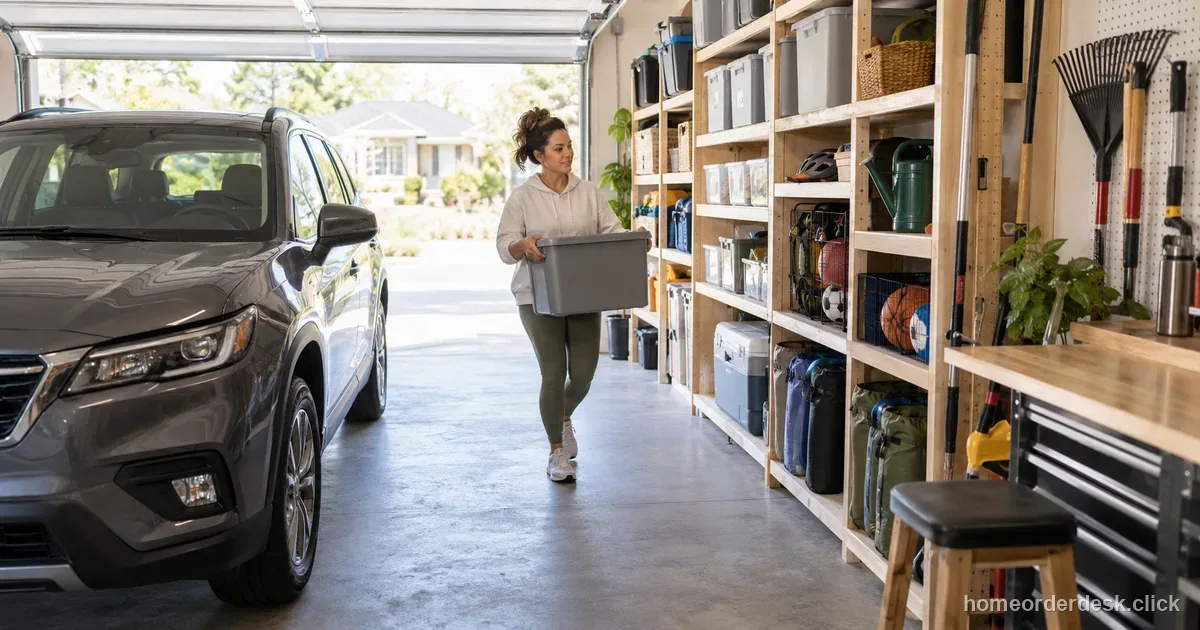
A garage is safer and easier to use when zones follow activities and hazard levels. Parking clearance, walking paths, tools, sports gear, yard equipment, chemicals, and seasonal storage each have different requirements. Before installing shelves, mark the space needed for vehicles and doors so storage does not slowly invade the path people use every day.
Park the vehicles before planning storage
Put cars, bikes, or mobility equipment in their normal positions and open every door, trunk, and garage door. Mark the clearance that must stay free. A storage rack that technically fits against a wall is a failure if a car door hits it or someone must squeeze around a bumper while carrying groceries.
Create zones by activity rather than equal wall sections
Group yard tools near the exterior door, sports equipment near the path children use, hand tools near the workbench, and seasonal décor in less accessible storage. Keep car-care supplies near the vehicle only if chemical-storage rules are satisfied. The zone boundary should shorten retrieval, not create visual symmetry.
Store flammables and chemicals by their safety requirements
Separate flammables from other household chemicals. USFA advises storing oil, gasoline, paint, propane, and varnish in a shed away from the home; follow local fire code and product labels for your location. For other chemicals, retain the original labeled container, obey storage directions, and keep incompatible products apart. A high shelf or generic bin is not a chemical-safety cabinet.
Keep heavy items low and secure tall shelving
Water cases, toolboxes, and dense bins belong on lower shelves. Anchor freestanding shelving according to the manufacturer and local conditions. Avoid stacking heavy bins above head height where one slip can send a load into a person or vehicle.
Protect vehicle clearance, paths, and utility service space before filling remaining areas.
Protect egress and utility equipment
Do not block the door into the house, electrical panel, furnace or water-heater service clearances, or required paths. Keep combustible items on shelves and away from appliances, and preserve required utility service clearances. Treat these areas as protected working zones, not convenient empty corners.
Use wall storage for long light tools
Rakes, shovels, brooms, and similar long-handled tools can free floor space when hung on hardware rated for the load. Place them where points and blades do not project into a walkway. Test the rack with the heaviest tool before filling every hook.
Give sports gear a low retrieval zone
Balls, helmets, scooters, and outdoor toys work best near the family exit at child-accessible height when age appropriate. Keep helmets dry and store them according to manufacturer guidance. If the sports zone overflows, reduce duplicate gear before expanding into parking clearance.
Separate clean seasonal bins from dirty yard equipment
Holiday décor and camping textiles should not sit directly beside muddy tools, fertilizer, or leaking automotive products. Clean and dry seasonal items before sealing them. Label bins by season and broad contents so one missing light string does not require opening every container.
Use ceiling storage only for appropriate light items
Overhead racks can free wall space but they require proper installation, weight limits, garage-door clearance, and safe lifting. Do not put dense toolboxes, chemicals, or frequently used items overhead. If retrieving a bin requires an unsafe ladder reach above a vehicle, the location is wrong.
Run a seasonal audit before adding new gear
At the start of each season, review lawn products, sports equipment, décor, and vehicle supplies. Remove empty containers, broken equipment, and items that have lost a safe storage condition. This prevents the garage from becoming a permanent archive of things labeled 'seasonal' but never used.
Create a dirty-to-clean handoff near the house door
Muddy shoes, oily rags, sports gear, and garden gloves should not migrate directly from the garage into pantry or living space. Use one washable mat, boot tray, or bounded drop area near the transition door and decide which items must dry or be cleaned before going indoors. Keep this zone clear of ignition sources and chemical storage. A deliberate handoff contains grime without turning the doorway into another permanent pile.
Give charging equipment a dedicated, clean location
Battery chargers for lawn tools, bikes, or power equipment should follow manufacturer instructions for temperature, ventilation, and clearances. Do not bury chargers beneath cardboard, oily shop towels, or loose metal parts. USFA advises charging only one appliance per outlet and not using an extension cord. If equipment should not be charged in a very hot or freezing garage, move the charging step to a location permitted by the maker. Storage and charging are separate decisions.
Keep emergency and seasonal equipment reachable when it matters
Snow shovels, storm supplies, a portable inflator, or emergency water are useless if buried behind holiday bins during the season they are needed. Move true seasonal response gear toward the accessible edge before the weather changes. When the season ends, inspect, clean, and rotate it back. This is a functional reason for seasonal zoning beyond simply making shelves look grouped.
- Recheck clearancesPark vehicles normally and preserve door swing, walkways, utility access, and emergency paths.
- Review seasonal gearBring needed response equipment toward the accessible edge and return off-season items after inspection.
- Remove unsafe or obsolete itemsClear empty containers, broken gear, leaks, or items that no longer have a safe storage condition.
- Keep one staging patch openLeave floor or bench space for unloading, drying gear, sorting donations, or tool service.
- Watch for floor creepTreat a new pile as a sign its category exceeds its assigned zone; relocate or reduce it.
Review active gear before new items spread into parking and walking space.
Leave one staging patch intentionally empty
A clear patch of floor or bench gives the household somewhere to unload the car, dry wet gear, sort donations, or service a tool without blocking the parking aisle. Garages become chaotic when every square foot is permanently assigned because any temporary task then spills into circulation. Empty working space is capacity for real life, not wasted storage.
A useful garage separates hazards, everyday movement, dirty transitions, charging, and seasonal work so one activity can happen without moving equipment from three others.
The floor should remain a safety surface, not the default shelf
Garage organization can look successful on the walls while boxes gradually narrow the vehicle path and walking route. Mark the minimum clear zones for doors, stairs, electrical equipment, bicycles, and vehicle movement before assigning storage. Keep heavy or unstable items from leaning into those routes. During seasonal resets, treat any new floor pile as a signal that a category has exceeded its assigned capacity rather than simply pushing it against the wall. This matters especially near chemicals, fuel-powered equipment, and charging devices, where accidental knocks or blocked access can create more than an aesthetic problem. Photograph each finished zone from the doorway; the image gives the household a simple reference for where large categories belong and makes new floor creep easier to notice during the next seasonal reset.
Frequently asked questions
What should be planned before garage storage zones?
Protect walking routes, vehicle clearance, doors, the electrical panel, and access to shutoffs or safety equipment before assigning any wall or floor space to storage.
Where should household chemicals and fuels go?
Follow their original labels and local hazardous-waste guidance. Keep incompatible products separated and never use food containers for hazardous materials.
How should seasonal gear be placed?
Put infrequent bulky gear higher or farther from the door only when the storage is stable and safely reachable; active tools and sports equipment deserve easier access.
What is a useful garage reset schedule?
Review one zone when seasons change, clear the floor path, return borrowed tools, and deal with leaking or obsolete hazardous products promptly instead of waiting for a full-garage purge.